
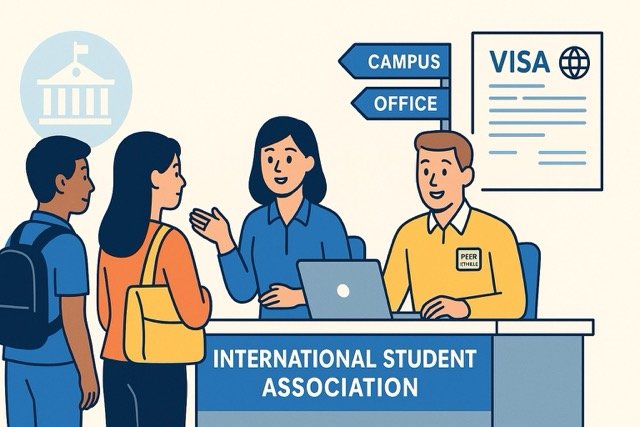
If you’re guiding international students through the maze of academic life abroad, you already know immigration issues can quickly become overwhelming without the right support. That’s where International Student Associations (ISAs) make a real difference. These student-led organizations act as on-the-ground allies—offering practical help, reliable guidance, and a sense of community. From helping with visa updates to coordinating with legal services, they’ve become a frontline support system across many colleges and universities. This article takes you through the real-world value ISAs provide when it comes to immigration-related challenges and how you can connect students with the resources they need most.
Clarifying Immigration Information for Students
When students arrive in a new country, immigration rules are often the first and most intimidating hurdle. You can’t expect every student to immediately understand visa conditions, work restrictions, or reporting deadlines. ISAs step in here with peer-to-peer communication and close collaboration with university international offices. They organize orientation sessions, distribute simplified legal information, and host Q&A events with visa advisors or legal professionals.
For instance, many U.S. universities hold “Know Your Visa” workshops at the start of each semester, where ISAs team up with compliance officers to review essential rules about status maintenance. This reduces the chance of students falling out of status due to missed deadlines or paperwork errors. Students are more likely to ask questions in a peer-led setting, making these events highly effective.
Helping New Students Settle and Integrate
Beyond immigration paperwork, international students often need help adjusting to the culture, campus systems, and general pace of life in a new country. ISAs provide that initial soft landing. From airport pickups and housing help to buddy systems and welcome events, they give new arrivals a human connection that’s hard to replicate through institutional services alone.
You’ll find that students who participate in ISA-run programs often report less stress during their first semester. Some associations even offer arrival kits with checklists for registering with local authorities, getting health insurance, or obtaining driver’s licenses. Others pair students with upperclassmen who serve as informal mentors. When you give new students a trusted point of contact from day one, it becomes easier for them to ask questions—especially when they’re hesitant to approach administrators directly.
Acting as a First Line of Peer Legal Support
ISAs don’t replace legal departments or immigration attorneys, but they serve a vital role as early support when questions arise. Students might not know if a particular issue requires official reporting, or they may be unsure how to approach a university office. That’s where ISAs come in as trusted peers who can point them to the right resources.
Some ISAs maintain online guides with frequently asked questions about Optional Practical Training (OPT), Change of Status applications, or visa renewals. Others offer forums where students can anonymously ask questions and get directed to verified resources. Associations also help prepare students for interviews with immigration officials or school advisors—walking them through what to expect and how to be prepared.
In more serious situations, ISAs often maintain connections with legal aid organizations, ensuring students can get free or low-cost consultations when needed. The faster you can get a student in touch with qualified help, the more likely they are to stay on track.
Fostering Cultural Understanding and Inclusion
One of the hidden immigration challenges international students face is cultural isolation. If a student doesn’t feel welcome or understood, it can affect their academic performance, mental health, and willingness to engage. ISAs are uniquely positioned to combat this by organizing events that highlight different cultures and traditions.
Whether it’s a Lunar New Year festival, Diwali celebration, or Latin American food night, these events allow students to share their identities while learning about others. You also create a shared space where international and domestic students can build friendships. These social ties play a major role in how confident and settled a student feels—which directly impacts how they handle bureaucratic or legal hurdles.
In fact, some universities have seen higher student retention and engagement among those who actively participate in ISAs. The combination of emotional support and practical help keeps students connected and proactive, rather than overwhelmed or disengaged.
Representing Student Interests in University Policy
ISAs often serve on advisory boards or policy committees that shape how universities handle international student issues. That includes input on everything from visa document processing times to emergency travel protocols. If your institution doesn’t currently include ISAs in these discussions, it’s worth reconsidering.
When students are directly involved in shaping the services that affect them, the programs tend to be more effective and less bureaucratic. It also improves trust between international students and university offices. ISAs are often the first to notice patterns—like delays in visa renewals or confusion about rule changes. By bringing these to light early, they help administrators respond before small problems become major issues.
Supporting Emergency Situations
When a student faces an unexpected immigration issue—like a denied visa renewal, sudden travel restriction, or loss of funding—ISAs are often the first to offer help. They might organize fundraisers, connect the student with legal services, or coordinate with housing and food assistance programs. They’ve stepped up during everything from global travel bans to local natural disasters, proving their adaptability and deep ties within the student community.
Your university might already have emergency protocols, but having an ISA involved ensures responses are informed by lived student experience. Their presence can also encourage students in crisis to reach out rather than retreat.
Building Bridges with Immigration Services
Some of the most successful ISAs don’t just work with university offices—they maintain direct relationships with regional immigration support organizations. This includes nonprofits that offer legal aid, translation services, and community outreach. By connecting students with these outside experts, ISAs expand the support system beyond campus walls.
In major cities, these partnerships are formalized through memoranda of understanding or community service agreements. But even in smaller college towns, ISAs often serve as cultural liaisons between students and local authorities, especially when there are misunderstandings due to language or documentation.
By encouraging your ISA to build those connections, you increase the likelihood that students will find solutions quickly and feel supported every step of the way.
How do International Student Associations support immigration needs?
- Offer peer guidance on visas and work permits
- Organize orientation and legal info sessions
- Connect students with immigration resources
- Host cultural integration events
- Advocate student needs in policy and crisis
In Conclusion
International Student Associations aren’t just clubs—they’re strategic partners in helping international students succeed both academically and legally. By providing guidance on immigration procedures, offering emotional and peer support, and linking students with the right resources, they play a key role in ensuring smooth transitions and stable student lives. If you’re looking to strengthen support for international students, partnering closely with your ISA is one of the smartest moves you can make.
Explore more of my articles on student support services, higher education policy, and the international student experience on Medium.