
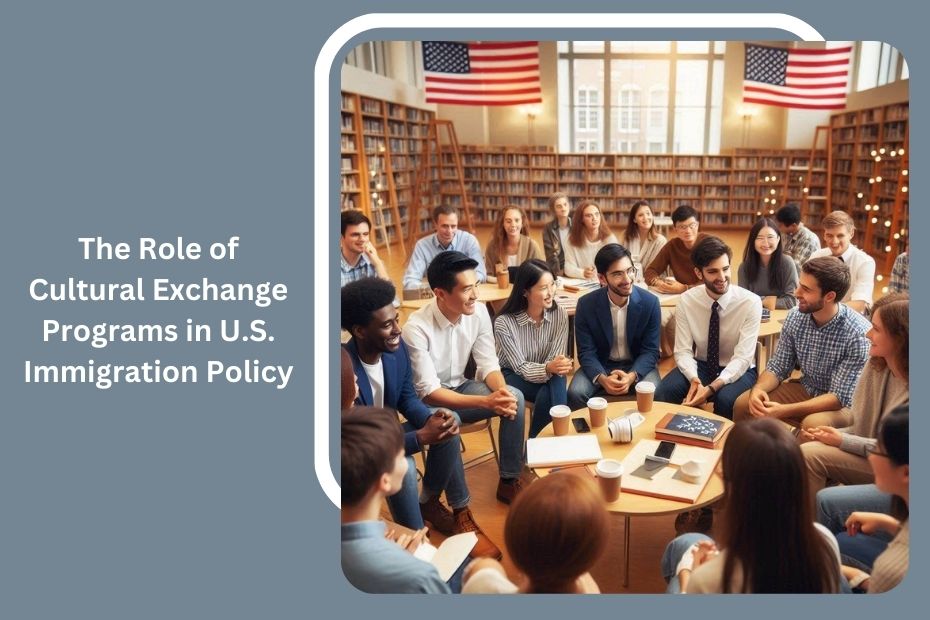
I’ve worked with cultural exchange participants for years, and I’ve seen firsthand how these programs shape global collaboration, career development, and economic contributions. Every year, thousands of students, researchers, and professionals come to the U.S. through exchange programs, and their impact is undeniable. Whether through academic research, professional training, or cultural immersion, these initiatives create lasting international relationships while strengthening diplomatic ties and the economy. Programs like the J-1 Exchange Visitor Program and Fulbright Scholarships open doors for individuals and help the U.S. maintain its reputation as a global leader in education and workforce development. However, shifts in immigration policy, visa restrictions, and geopolitical tensions have raised concerns about the future of cultural exchanges. Understanding how these programs work and their long-term benefits is essential for ensuring their continued success.
How Cultural Exchange Programs Work and Why They Matter
I’ve worked with many students and professionals navigating the cultural exchange process, and one thing is always clear: these programs do far more than just facilitate travel. They foster education, career development, and international collaboration. The U.S. J-1 Visa Program is one of the most recognized pathways, allowing participants to study, research, or train in various industries.
These programs aren’t just about individual growth—they benefit the U.S. as well. When exchange visitors come here, they bring diverse perspectives, contribute to the economy, and create valuable international networks. Many of them return home with skills and experiences that help strengthen relationships between their countries and the U.S., making cultural exchanges a powerful diplomatic tool.
How Cultural Exchanges Have Shaped U.S. Immigration Policy
I’ve seen how cultural exchanges have played a role in shaping U.S. immigration policies over time. These programs date back to World War II, when the U.S. recognized the need to promote global peace and understanding. Initiatives like the Fulbright Program, established in 1946, were designed to bring scholars from around the world to American universities while allowing U.S. students to study abroad.
During the Cold War, these programs became a form of soft diplomacy. The U.S. used exchanges to build relationships with Eastern European countries and the Soviet Union, helping to break down ideological barriers. Today, these initiatives continue to be a key part of U.S. foreign relations, providing opportunities for education, research, and global leadership development.
The Economic Impact of Cultural Exchange Programs
One thing I always emphasize when discussing cultural exchange programs is their economic impact. Many people assume these programs are purely educational, but they bring billions of dollars into the U.S. economy each year. Exchange students and professionals pay tuition, rent apartments, shop locally, and support businesses, making them valuable contributors to universities and communities.
Beyond spending, these programs fill critical workforce gaps in fields like STEM, healthcare, and research. I’ve worked with professionals who gained experience in the U.S. and later collaborated with American businesses and institutions, strengthening international partnerships. When people talk about immigration and the economy, they often overlook the role of cultural exchanges—but their impact is significant.
Cultural Exchanges as a Diplomatic and Soft Power Tool
I’ve had conversations with former exchange participants who have gone on to become government leaders, business executives, and influential academics in their home countries. The relationships they built during their time in the U.S. shaped their views of American society and values, making cultural exchanges a powerful diplomatic tool.
Soft power is one of the biggest benefits of these programs. When people experience life in the U.S., they take back a deeper understanding of American culture, democracy, and business practices. These personal connections help strengthen trade agreements, research collaborations, and international partnerships in ways that formal diplomacy cannot.
Personal and Professional Growth Through Cultural Exchange
I’ve seen firsthand how cultural exchange experiences transform participants’ lives. Whether it’s a researcher advancing their studies in a U.S. lab or a student learning business strategies at an American university, these experiences provide opportunities that extend far beyond the classroom.
Professionally, exchange visitors gain practical skills, industry connections, and international work experience. I’ve worked with participants who returned home to launch businesses, lead research projects, or implement new policies based on what they learned in the U.S. The career benefits are clear, but these programs also shape individuals in ways that can’t be measured on a resume—building confidence, adaptability, and a global mindset.
Challenges and Policy Barriers Facing Cultural Exchange Programs
Despite the benefits, I’ve watched cultural exchange programs face policy challenges and restrictions in recent years. Increased visa scrutiny, application delays, and diplomatic tensions have made it harder for participants from some countries to join these programs.
Another issue is the misuse of exchange visas for low-cost labor. Some critics argue that certain industries use J-1 visa holders as a cheap labor force, rather than focusing on education and training. To maintain the integrity of these programs, it’s critical to ensure participants are gaining meaningful cultural and professional experiences—not just filling workforce shortages.
Key Benefits of Cultural Exchange Programs
- Strengthen global collaboration and diplomacy.
- Support the U.S. economy through tuition and tourism.
- Provide career training and professional development.
- Promote cultural understanding and international networks.
- Encourage innovation and research partnerships.
The Future of Cultural Exchange in U.S. Immigration Policy
Looking ahead, I believe cultural exchange programs will remain a vital part of U.S. immigration policy, but they need ongoing support and modernization. Making these programs more accessible, streamlining visa processes, and expanding funding will allow the U.S. to continue attracting top global talent while strengthening diplomatic relationships.
I’ve worked with participants who returned home with life-changing experiences, and I’ve seen how their connections with the U.S. shaped their careers and outlooks. Cultural exchange programs aren’t just about education and tourism—they’re about building a globally connected future. As immigration policies shift, ensuring the growth and sustainability of these programs should remain a priority.
From diplomacy to economic growth, cultural exchange programs shape U.S. immigration policy in powerful ways. Discover how these initiatives foster global collaboration and career development. Read my latest insights on Quora.